Source Equestrian Leather Boots for Riding, Training, and Work
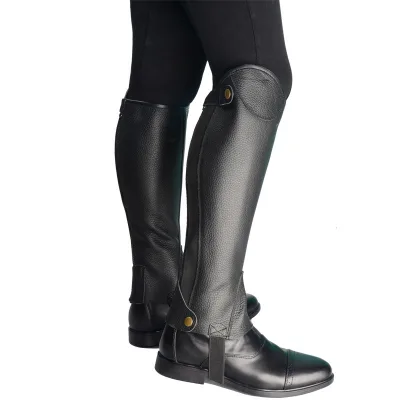
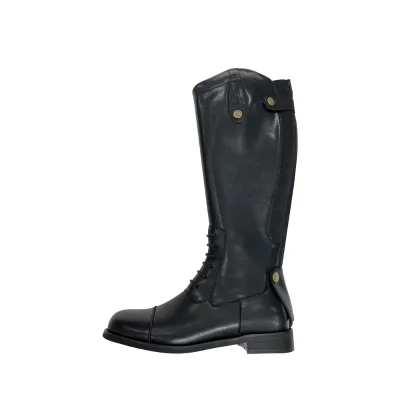
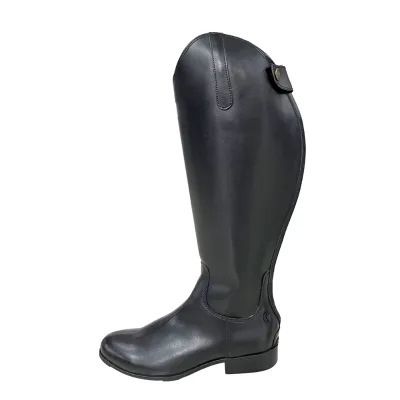
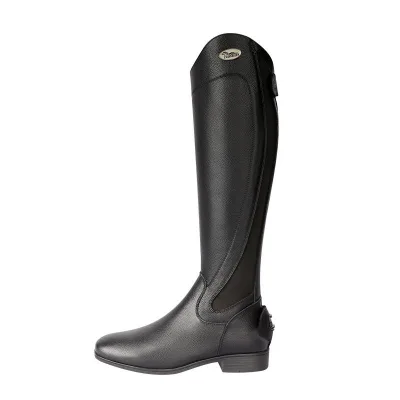
Compare 30 equestrian leather boots from verified Chinese manufacturers. Options include genuine leather, neoprene, and cow leather designs with anti-slip soles and waterproof features for riding, training, and work applications.
Key considerations
Products List




Comprehensive Sourcing Guide
Strategic Sourcing Guide for Equestrian Leather Boots
The global market for equestrian equipment demands precision, durability, and safety, with equestrian leather boots serving as a critical component for rider protection and performance. Sourcing these specialized items requires a disciplined approach that balances aesthetic requirements with rigorous technical specifications. Buyers must navigate a complex landscape of materials, certifications, and manufacturing standards to ensure that the selected footwear meets the demanding conditions of equestrian sports. This guide outlines the essential factors for procurement, focusing on the specific attributes observed in current market offerings, including genuine leather linings, rubber insoles, and specialized anti-slip designs.
Technical Specifications and Material Composition
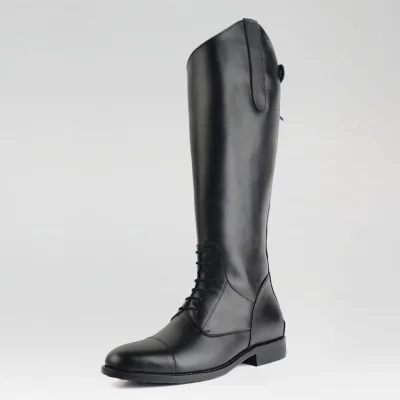
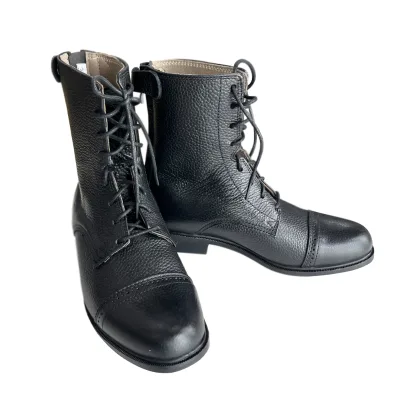
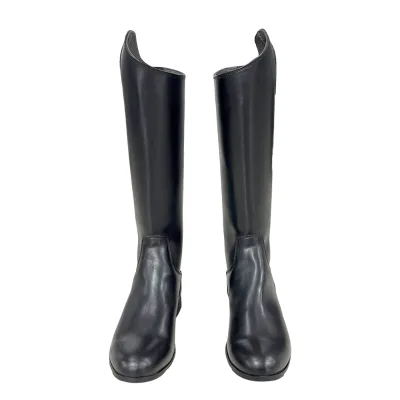
The foundation of a high-quality equestrian boot lies in its material composition and structural design. Market analysis indicates a strong preference for genuine leather as a primary material, often utilized for the upper construction to provide durability and a classic aesthetic. The lining material is frequently specified as genuine leather as well, ensuring breathability and comfort during extended wear. In contrast, some product lines utilize neoprene or cow leather, offering variations in flexibility and weather resistance. The insole material is consistently observed as rubber, a choice that directly contributes to the boot's shock absorption and longevity.
Design features play a pivotal role in functionality. The toe style is predominantly round, offering ample room for the foot while maintaining a traditional silhouette. Closure mechanisms vary, with zipper systems being a common feature, sometimes combined with lace-up designs for a secure fit. Some models incorporate a single kick with an elastic band for easy adjustment, while others feature a combination of laces and back zippers. The boot height is a critical dimension, with specific models reaching approximately 32cm, ensuring adequate protection for the lower leg. Weight is another significant specification, with individual units ranging from 1kg to 1.7kg, influencing the rider's fatigue levels over long periods.
| Feature Category | Observed Specifications | Functional Implication |
|---|---|---|
| Primary Material | Leather, Cow Leather, Neoprene | Durability, Weather Resistance, Flexibility |
| Lining | Genuine Leather | Breathability, Comfort, Moisture Management |
| Insole | Rubber | Shock Absorption, Traction, Longevity |
| Closure | Zipper, Lace & Back Zipper, Elastic Band | Secure Fit, Ease of Use, Adjustability |
| Toe Style | Round | Safety, Comfort, Traditional Aesthetic |
| Boot Height | 32cm (observed) | Leg Protection, Ankle Support |
| Weight | 1.0kg - 1.7kg | Rider Fatigue, Mobility |
Compliance, Certification, and Safety Standards
In the equestrian sector, compliance with international safety standards is non-negotiable. Buyers must verify that suppliers adhere to recognized testing protocols. Observed documentation includes certifications such as ISO, IAF, and CNAS, which indicate a commitment to quality management systems. Specific product standards referenced in the market include EU EN 13158-2018 and ASTM standards, which are critical for ensuring that the boots meet safety requirements for impact and puncture resistance.
The presence of an "Anti-Slip Pattern" and "Anti-Slip and Anti-Puncture Sole" attributes highlights the importance of traction and protection against sharp objects. These features are essential for rider safety, particularly when mounting or dismounting horses or working in unstable environments. When evaluating potential suppliers, procurement teams should request proof of compliance with these specific standards rather than relying on generic claims. The absence of a specific certification in a product listing does not necessarily imply non-compliance, but it necessitates a deeper inquiry into the supplier's quality assurance processes. Buyers should explicitly ask for test reports that validate the anti-puncture and anti-slip claims, ensuring that the boots will perform as expected under real-world conditions.
Cost Drivers and Pricing Dynamics
Understanding the cost structure of equestrian leather boots is vital for budgeting and negotiation. The observed price range in the market spans from $0.20 to $118.09 USD, a variance that reflects differences in material quality, craftsmanship, and brand positioning. The lower end of the spectrum may correspond to mass-produced items with synthetic linings or simplified construction, while the higher end likely represents hand-made products utilizing premium cow leather and advanced safety features.
Several factors drive these costs. The "Hand Made" attribute is a significant cost driver, as labor-intensive production methods increase the unit price but often result in superior fit and durability. The use of genuine leather versus alternative materials also impacts the final price. Additionally, customization options, such as specific sizing or branding, can influence costs. The Minimum Order Quantity (MOQ) is another critical financial factor, with observed ranges from 1 to 500 units. Some suppliers require an MOQ of 100 pairs, which can affect the total cost of ownership for smaller buyers. Buyers should calculate the total landed cost, including shipping and potential customs duties, rather than focusing solely on the unit price. The shipping method, whether sea or air, will also significantly impact the final cost and delivery timeline.
Typical Applications and Usage Scenarios
Equestrian leather boots are designed for a variety of riding disciplines and environments. The "Unisex" classification and size ranges from US 35 to 44, and 37 to 47, indicate versatility for different rider demographics. The "Long Leather Boots" style is particularly suited for disciplines that require extensive leg protection, such as eventing, show jumping, and dressage. The waterproof feature is essential for outdoor riding in variable weather conditions, ensuring that the rider's feet remain dry and comfortable.
The "Resilient" and "Breathable" features suggest that these boots are engineered for high-intensity activities where foot movement and temperature regulation are crucial. The "Breathe" advantage further emphasizes the need for ventilation to prevent overheating. Applications extend beyond competitive riding to include general stable management and trail riding. The robust construction, including the rubber insole and anti-puncture sole, makes these boots suitable for environments where the rider may encounter uneven terrain or potential hazards. Buyers should consider the specific riding style of their target users when selecting models, as a boot optimized for dressage may differ in flexibility and height from one designed for trail riding.
Supplier Evaluation and Production Capabilities
Selecting the right supplier requires a thorough evaluation of their production capabilities and logistical infrastructure. The observed product origin is primarily China, with specific mentions of Taian Dongsheng, indicating a concentration of manufacturing in this region. Buyers should verify the supplier's ability to handle customization, as "Customization" and "Customized" are listed as available attributes. This includes the ability to produce specific models like LHRB-03, JS3B1518, or Fox Tb02, which suggests a diverse product portfolio.
Logistical factors are equally important. The "prod_packing" specification of "Carton" or "10pairs/Carton" with dimensions of 654030cm and a weight of 14kg per carton provides insight into shipping efficiency. The "Shipment" attribute listing "Sea or Air" offers flexibility in delivery methods. However, buyers must confirm lead times and production capacity, as these are not explicitly detailed in the general product data. A reliable supplier should demonstrate the ability to meet MOQ requirements, whether that is a single unit or 500 pairs, and provide transparent communication regarding production schedules. The presence of multiple model numbers (e.g., JS3B1501, JS3B1502, JS3B1508) suggests a robust manufacturing line capable of handling various design specifications.
Quality Control and Long-Term Procurement Considerations
Ensuring consistent quality is paramount in long-term procurement. The "Hand Made" attribute implies a level of craftsmanship that should be verified through sample inspection. Buyers should establish clear quality control protocols that address the specific attributes observed, such as the integrity of the zipper, the durability of the leather, and the effectiveness of the anti-slip sole. The "Waterproof" claim should be validated through testing, as this is a critical performance feature.
Long-term considerations include the availability of replacement parts, the consistency of sizing across different production batches, and the supplier's ability to scale production. The "Standard" attribute listing "M-3XL" and "regular size" indicates a range of sizing options, but buyers must ensure that the sizing chart is accurate and consistent. The "prod_standard" of "PONY, FULL" may refer to specific industry classifications that buyers should understand to ensure compatibility with their needs.
Procurement strategies should also account for the "Feature" of being "Resilient" and "Breathable," which are long-term value drivers. Boots that maintain their shape and comfort over time reduce the frequency of replacement, offering better value. Buyers should negotiate terms that include warranties or guarantees against manufacturing defects, particularly for high-value items. Regular audits of the supplier's quality management system, referencing their ISO and other certifications, will help maintain high standards. By focusing on these technical and operational details, buyers can build a sustainable supply chain for equestrian leather boots that meets the rigorous demands of the equestrian community.
FAQs
What materials are used for the lining and insole?
The lining material is genuine leather and the insole material is rubber. This combination ensures breathability and shock absorption for extended wear during riding activities.
Can I find these boots with anti-slip and anti-puncture features?
Yes, the boots feature an anti-slip pattern and an anti-puncture sole. These attributes provide essential traction and protection against sharp objects in stable environments.
Which certifications do the manufacturers hold for safety standards?
Manufacturers hold ISO, IAF, and CNAS certifications. Specific product standards include EU EN 13158-2018 and ASTM, ensuring compliance with international safety requirements.
How much does a pair of these boots weigh?
Individual units weigh between 1kg and 1.7kg. This weight range influences rider fatigue levels and mobility during long periods of equestrian activity.
What is the minimum order quantity for these boots?
The minimum order quantity ranges from 1 to 500 pairs depending on the supplier. Some specific models require a minimum of 100 pairs for production.
Are customization options available for these leather boots?
Customization is available for specific models and sizes. Buyers can request tailored specifications while adhering to the standard production capabilities of the factories.
What is the typical boot height for these models?
The boot height is approximately 32cm for observed models. This dimension ensures adequate protection for the lower leg during various riding disciplines.